 Ant Habitats
Lasius niger
Black Garden Ant
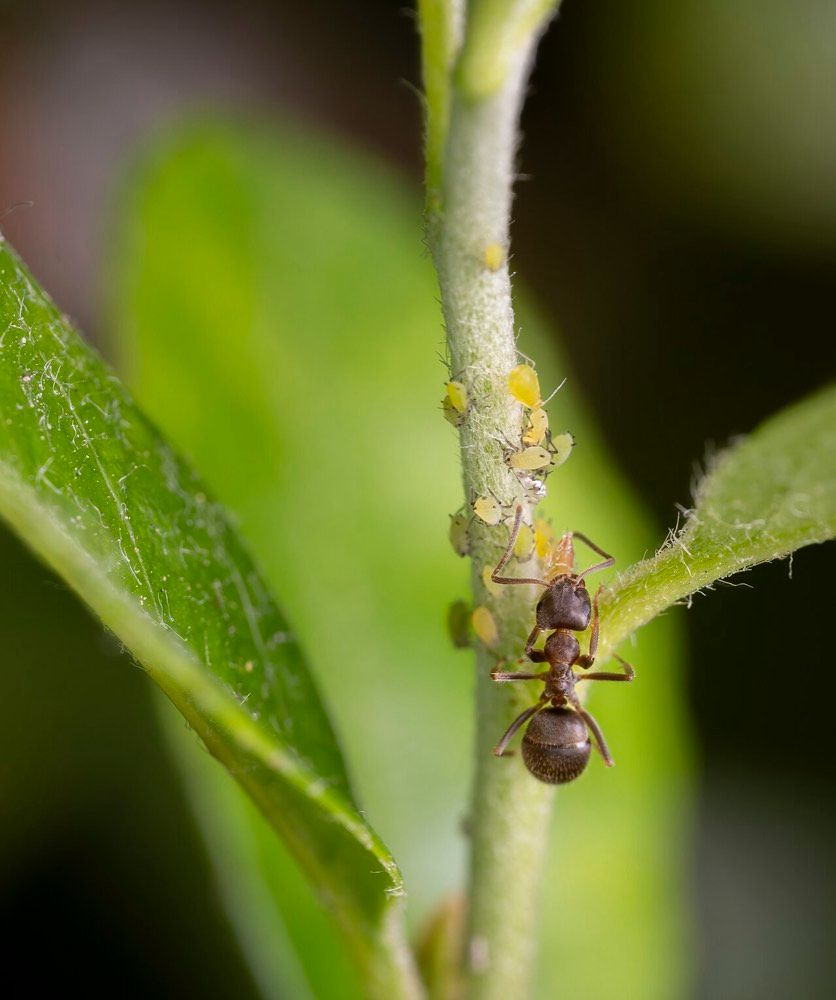
If ant keeping had a default starting species, this would be it. Lasius niger is the ant most UK beginners learn on, and for good reason: the queens found completely on their own, the colony tolerates a wide range of conditions, and workers forage busily enough to be genuinely entertaining to watch.
Why it’s the classic beginner ant
- Fully claustral founding — the queen needs nothing but darkness and a humid tube to raise her first workers.
- Room-temperature hardy — survives without heating, though gentle warmth speeds growth.
- Forgiving — shrugs off the small humidity and feeding errors every beginner makes.
- Abundant — queens appear across Britain during summer nuptial flights and are cheap from sellers.
Keeping notes
Found the queen in a standard test tube setup and leave her undisturbed for six to ten weeks. Once nanitics arrive, connect a small outworld and offer sugar water plus small insects. Growth is moderate at first, then accelerates — expect to size up the nest through the first year.
Hibernation is important. Native Lasius niger naturally rest through winter; give them a few months at 5–15°C. Skipping it repeatedly can shorten the queen’s life.
Watch for
- Rapid growth once established — plan nest upgrades ahead of time.
- Strong foraging drive means escape-proofing must be solid from the start.
Keeping native and already-established UK species is legal and popular. Never release captive ants, and avoid non-native species, which can be invasive and are restricted.
Rules vary locally and change — always confirm with your national authority before buying. Set your region in the top bar.
Last updated 5 August 2026