 Ant Habitats
Lasius brunneus
Brown Tree Ant
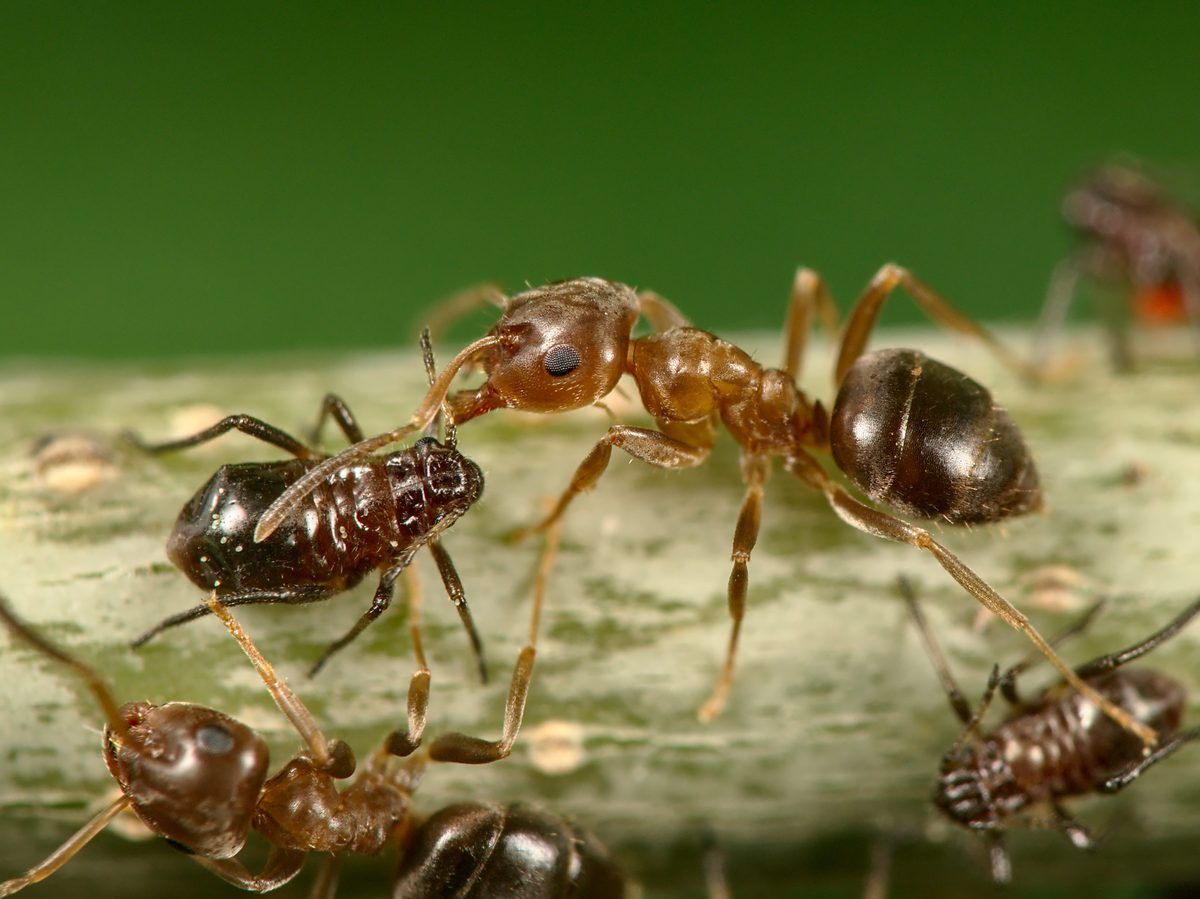
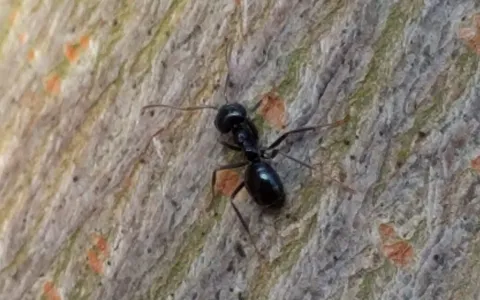
Lasius brunneus is the ant of old trees. In Britain it is most established across southern and central England, nesting in dead and decaying wood in mature deciduous trees — oaks especially — and foraging in tight, fast-moving trails. It founds just as simply as the black garden ant, but everything about it is quicker and more secretive.
Why keepers enjoy it
- Claustral founding — like Lasius niger, the queen needs nothing but a dark, humid tube to raise her first workers.
- Fast and characterful — workers move at speed and are a real change of pace from steadier species.
- Manageable size — colonies grow to a few thousand rather than exploding, so housing stays simple.
Keeping notes
Found the queen in a standard test tube setup and leave her undisturbed. Once nanitics arrive, connect a small outworld and feed sugar and small insects as usual. L. brunneus appreciates a little gentle warmth, which noticeably speeds development, but does not strictly require it.
Because they are so quick, escape-proofing must be excellent from day one — a fast species finds a weak barrier long before a slow one does. Keep connections tight and the outworld rim well treated.
Hibernation is required — a few cool months over winter, as for other native Lasius.
Watch for
- Speed — check every seal; these ants exploit gaps quickly.
- Shyness — they forage in cover, so give them dark retreats and don’t expect niger-style boldness.
Keeping native and already-established UK species is legal and popular. Never release captive ants, and avoid non-native species, which can be invasive and are restricted.
Rules vary locally and change — always confirm with your national authority before buying. Set your region in the top bar.
Last updated 5 August 2026