 Ant Habitats
Lasius fuliginosus
Jet Black Ant
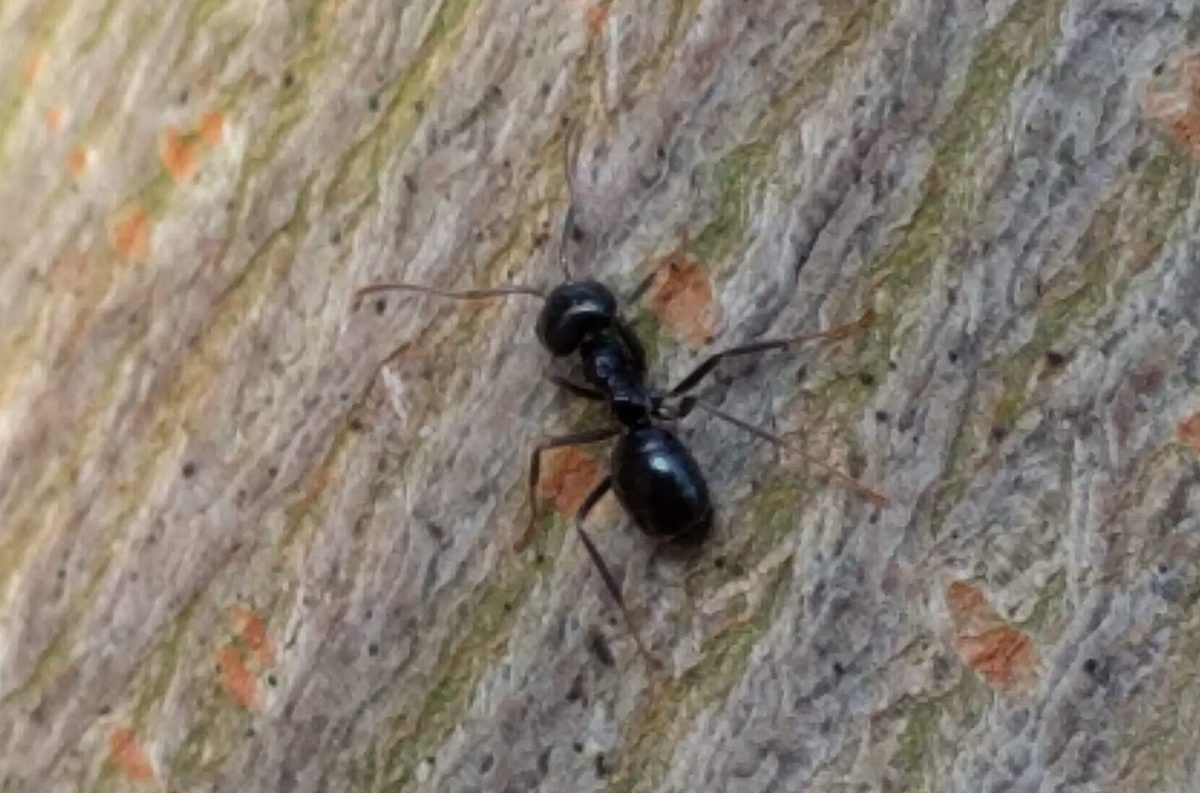
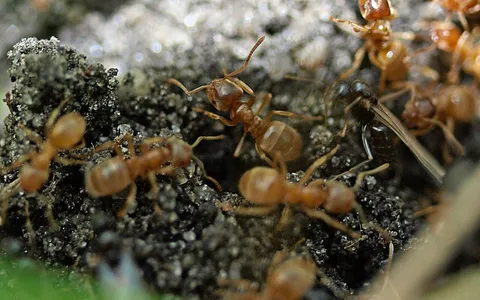
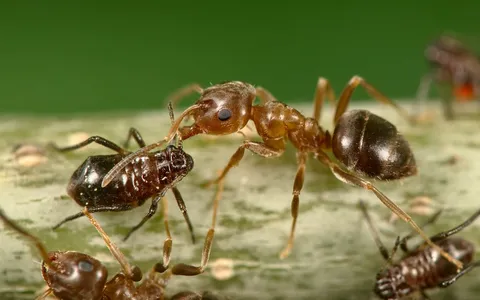
Lasius fuliginosus is one of Britain’s most striking ants: deep glossy black, heart-shaped head, and a distinctive sweet, lemony smell when disturbed. Colonies build carton nests — papery structures chewed from wood pulp and honeydew — in tree stumps and cavities, and can grow enormous. It is a wonderful ant to know. It is not a beginner species, and this card explains why.
Why it is advanced — read before you consider one
A fuliginosus queen cannot start a colony on her own. She founds by temporary social parasitism: she must invade an established colony of a Lasius umbratus-group ant, kill or replace its queen, and let the host workers raise her first brood. To complicate matters further, the umbratus group are themselves social parasites of the Lasius niger group.
That two-step chain is extremely difficult to replicate in captivity, which is why beginners cannot simply buy a queen and found a colony as they would with Lasius niger. Keepers who do work with this species almost always start from an established colony, not a lone queen.
What makes it remarkable
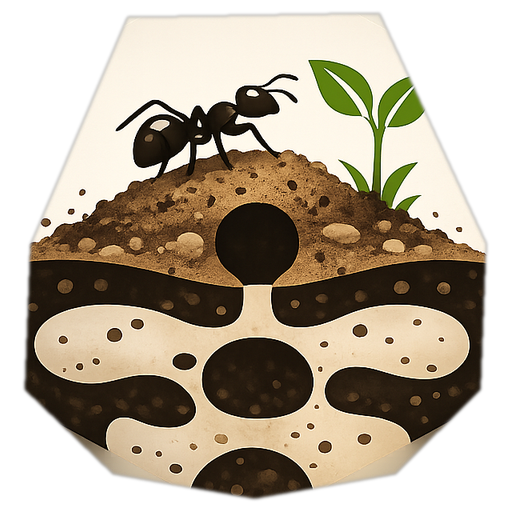
- Carton nests — the colony manufactures its own papery nest material, farmed with a cultivated fungus.
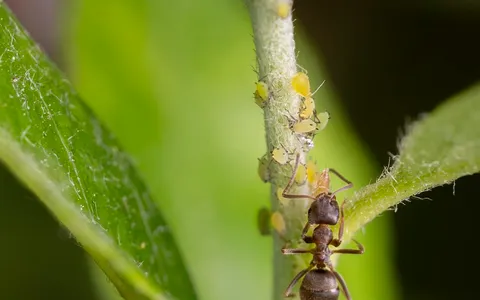
- Aphid farming — vast foraging trails tend honeydew-producing aphids in the tree canopy.
- That scent — a defensive smell often likened to citronella or geranium.
If you keep an established colony
Give it space, stable humidity for carton building, and a secure, well-ventilated setup. Like all native Lasius, it needs a cool winter hibernation.
Legal & ethical note
L. fuliginosus is native to the UK. As with every species here, a captive colony must stay contained for life — never release ants. For most keepers, this ant is best appreciated in the wild.
Keeping native and already-established UK species is legal and popular. Never release captive ants, and avoid non-native species, which can be invasive and are restricted.
Rules vary locally and change — always confirm with your national authority before buying. Set your region in the top bar.
Last updated 5 August 2026