 Ant Habitats
Lasius alienus
Cornfield Ant
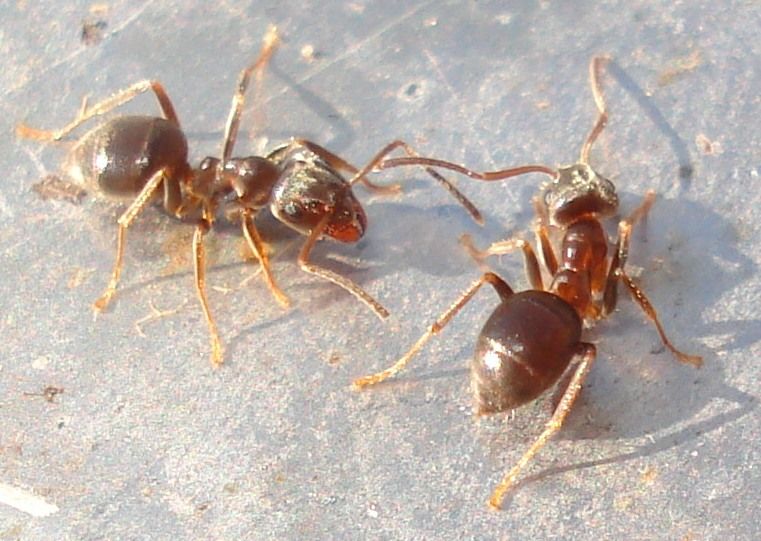
Lasius alienus is a good example of why not every beginner-friendly ant is as visible as Lasius niger. It is hardy, fully claustral, and calm in captivity, but it is more tied to open, dry habitats such as chalk grassland and warm disturbed ground. For a keeper who wants a native Lasius that stays a little more understated, it is a sensible second choice.
Keeping notes
Founding is fully claustral, so treat a fresh queen like Lasius niger: dark test tube, stable room temperature, no feeding until workers arrive. Once workers are present, offer sugar water and small insects in a simple outworld.
This species appreciates a slightly drier setup than the more moisture-tolerant garden ants, but the founding test tube still provides all the humidity a queen needs. In a proper nest, give a damp zone and a drier zone rather than keeping everything wet.
Watch for
- Identification — queens and workers can be confused with other dark Lasius. Buy from a seller who names the species confidently.
- Less common availability than Lasius niger, so do not treat it as a default first purchase.
- Dry-loving does not mean dry founding tube; the water reservoir still matters.
Keeping native and already-established UK species is legal and popular. Never release captive ants, and avoid non-native species, which can be invasive and are restricted.
Rules vary locally and change — always confirm with your national authority before buying. Set your region in the top bar.
Last updated 5 August 2026