 Ant Habitats
Formica lemani
Upland Black Ant
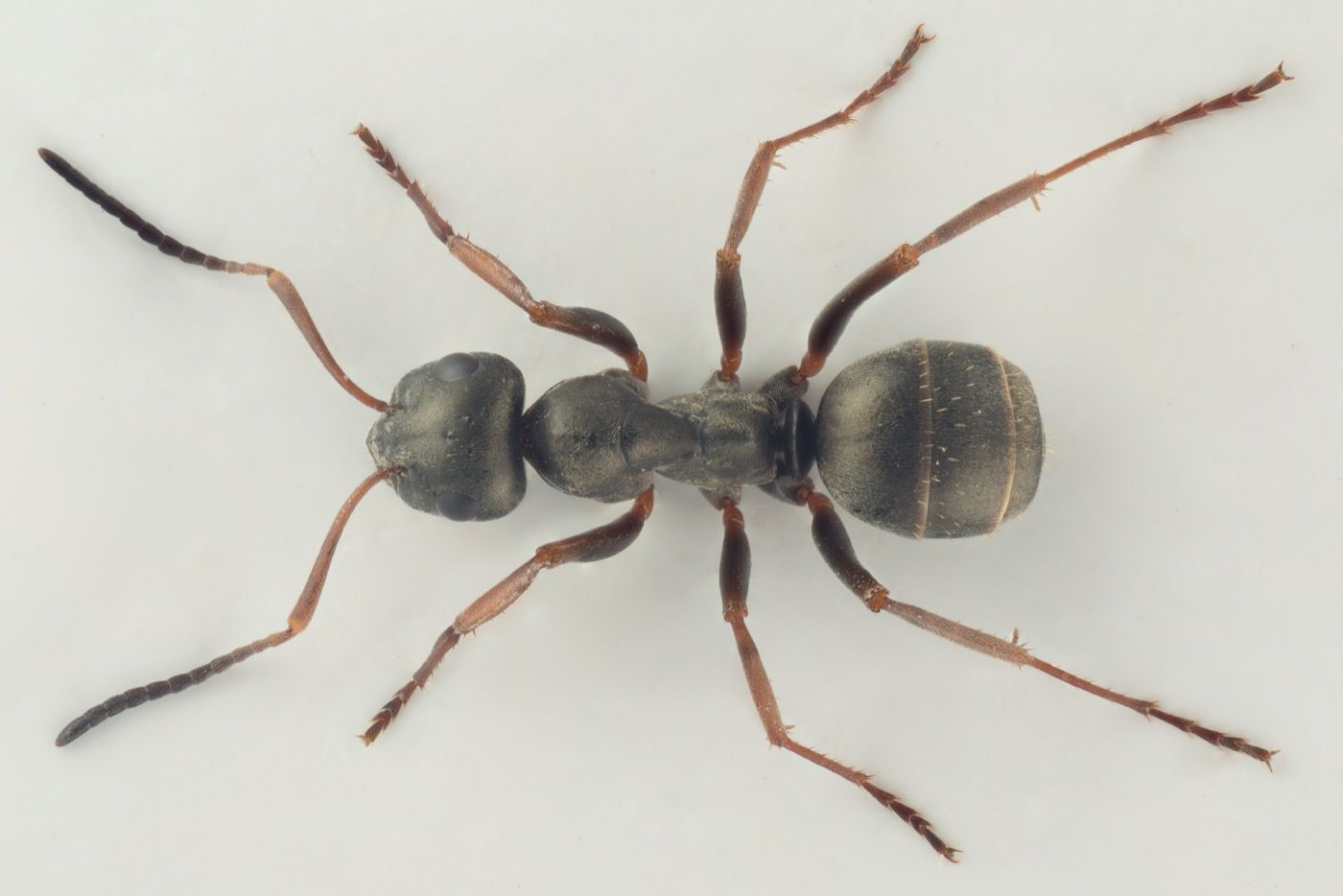
Formica lemani sits close to Formica fusca in care, but it is more associated with cooler northern, western, and upland places. For keepers in those parts of the UK, it is a more locally relevant Formica to learn about: quick, alert, and rewarding once workers are foraging.
Keeping notes
Founding is semi-claustral, so the queen needs occasional food while raising her first brood. Keep the founding setup simple: a covered tube connected to a tiny feeding space works better than repeatedly opening the tube.
Established colonies appreciate a secure outworld and regular protein. They tolerate cool rooms well, but still benefit from gentle warmth during the growing season and a proper winter hibernation.
Watch for
- Speed. Like other Formica, workers can bolt when the lid opens.
- Founding needs more attention than fully claustral Lasius queens.
- Similarity to Formica fusca; exact identification is not trivial without experience.
Keeping native and already-established UK species is legal and popular. Never release captive ants, and avoid non-native species, which can be invasive and are restricted.
Rules vary locally and change — always confirm with your national authority before buying. Set your region in the top bar.
Last updated 5 August 2026