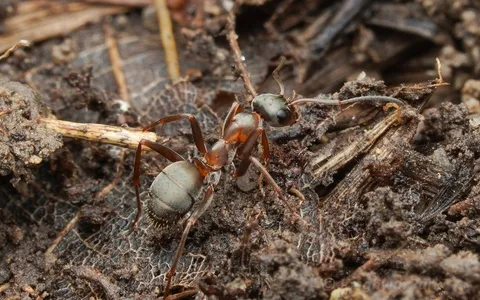
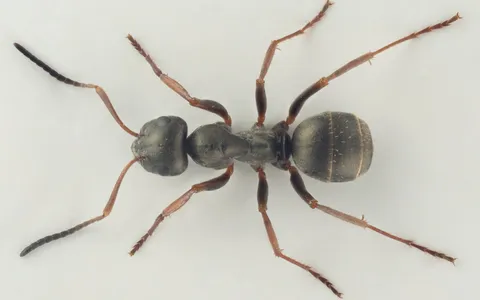
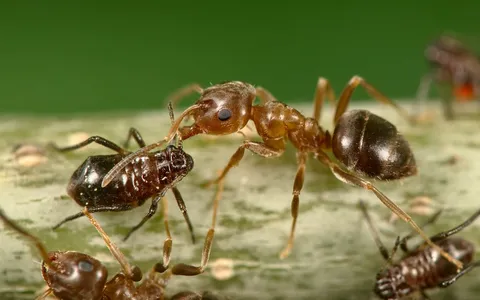
 Ant Habitats
Formica fusca
Silky Ant
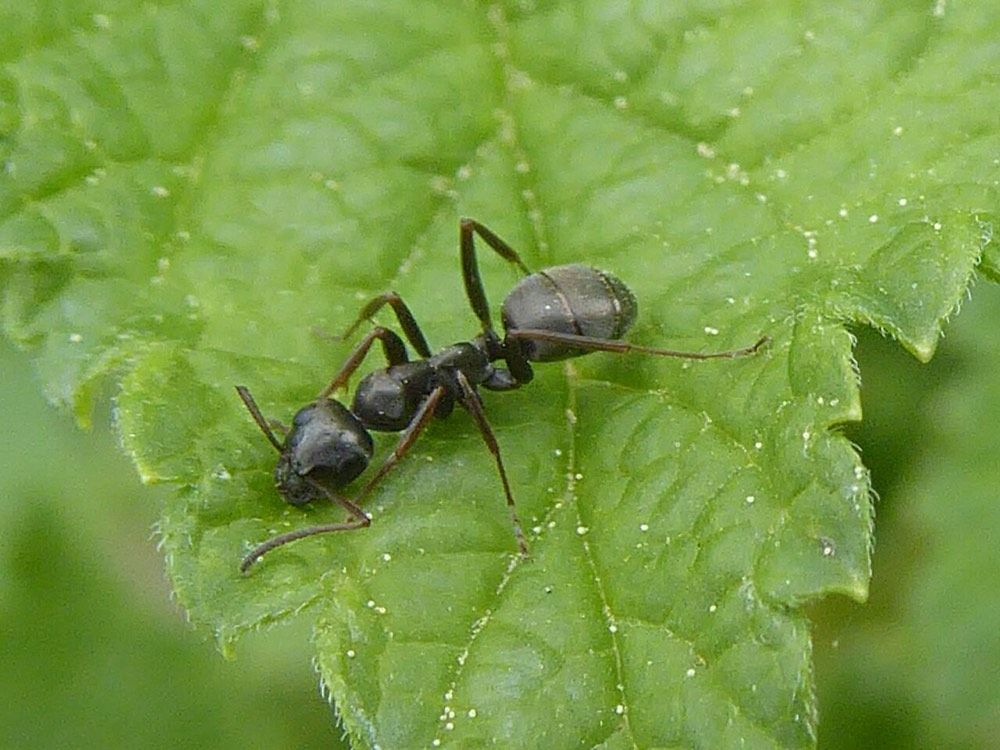
Formica fusca is where many beginners graduate to once they’ve had a season with an easier species. These glossy, dark ants are fast and bold, sprinting around the outworld and making for genuinely exciting foraging displays. They’re not difficult, but they ask a little more of you than a Lasius.
Keeping notes
Founding is semi-claustral: the queen benefits from small amounts of food while raising her first workers, so offer a drop of sugar water and a fragment of insect every few days during founding. Once established, colonies are active, curious, and quick — an outworld with plenty of space keeps them engaged.
They tolerate normal room temperatures well and, like other natives, need a winter hibernation. Their speed makes them a favourite for keepers who found Lasius a bit sedate.
Watch for
- Speed — they’re fast, so open the setup carefully and keep barriers immaculate.
- Semi-claustral founding means slightly more hands-on than fully claustral beginner species.
- Bold foragers that make the outworld the main event.
Keeping native and already-established UK species is legal and popular. Never release captive ants, and avoid non-native species, which can be invasive and are restricted.
Rules vary locally and change — always confirm with your national authority before buying. Set your region in the top bar.
Last updated 5 August 2026