 Ant Habitats
Formica cunicularia
Field Ant
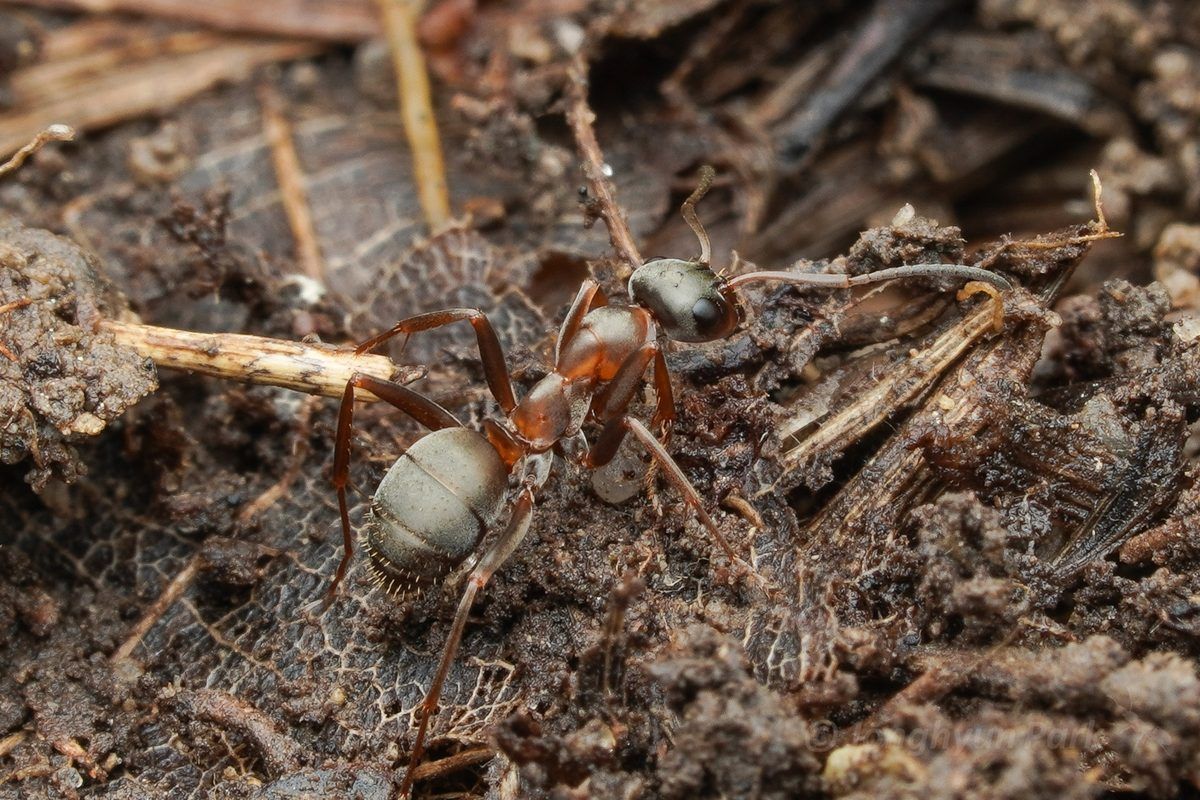
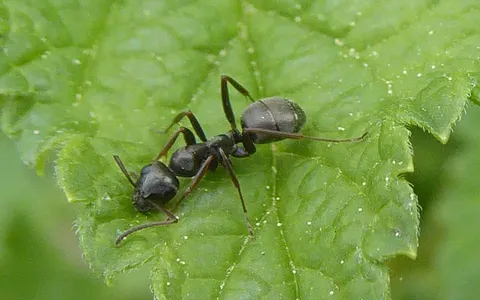
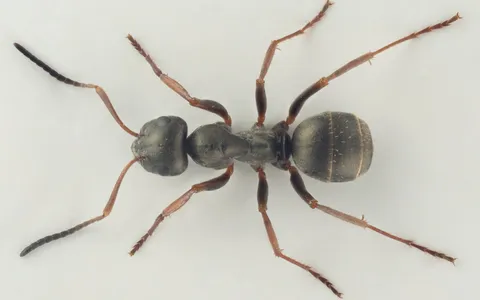
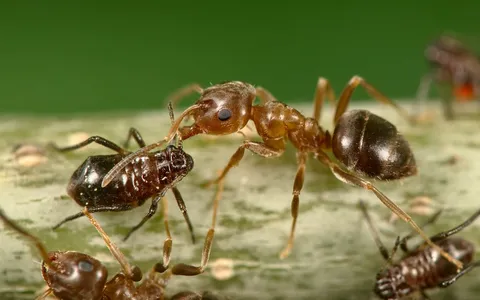
Formica cunicularia is a ground-nesting ant of warm, dry, open places — heathland, dunes, and sunny banks, mainly across southern England. It belongs to the same easy-going Formica group as the silky ant Formica fusca, and is kept in much the same way: fast, alert, and rewarding to watch forage.
Why it makes a good intermediate species
- Busy, visible foraging — glossy, quick workers that use the outworld enthusiastically.
- A familiar founding style — semi-claustral, like F. fusca, so keepers who have raised one will feel at home.
- Handsome and hardy — tolerant of ordinary room conditions once established.
Keeping notes
Formica queens found semi-claustrally: the queen appreciates a little food while raising her first workers, so offer small amounts of sugar and the occasional tiny insect during founding rather than sealing her away entirely. A touch of warmth speeds things along.
Like other Formica, they defend themselves by spraying formic acid — harmless in normal keeping, but a reason to open the outworld calmly and avoid startling the colony. They are quick, so keep escape barriers in good order.
Hibernation is required — a native species that needs its winter rest at 5–15°C.
Watch for
- Semi-claustral founding — feed lightly during founding, don’t leave the queen to starve.
- Speed and skittishness — work slowly around the outworld and keep barriers fresh.
Keeping native and already-established UK species is legal and popular. Never release captive ants, and avoid non-native species, which can be invasive and are restricted.
Rules vary locally and change — always confirm with your national authority before buying. Set your region in the top bar.
Last updated 5 August 2026