 Ant Habitats
Myrmica sabuleti
Sandy Red Ant
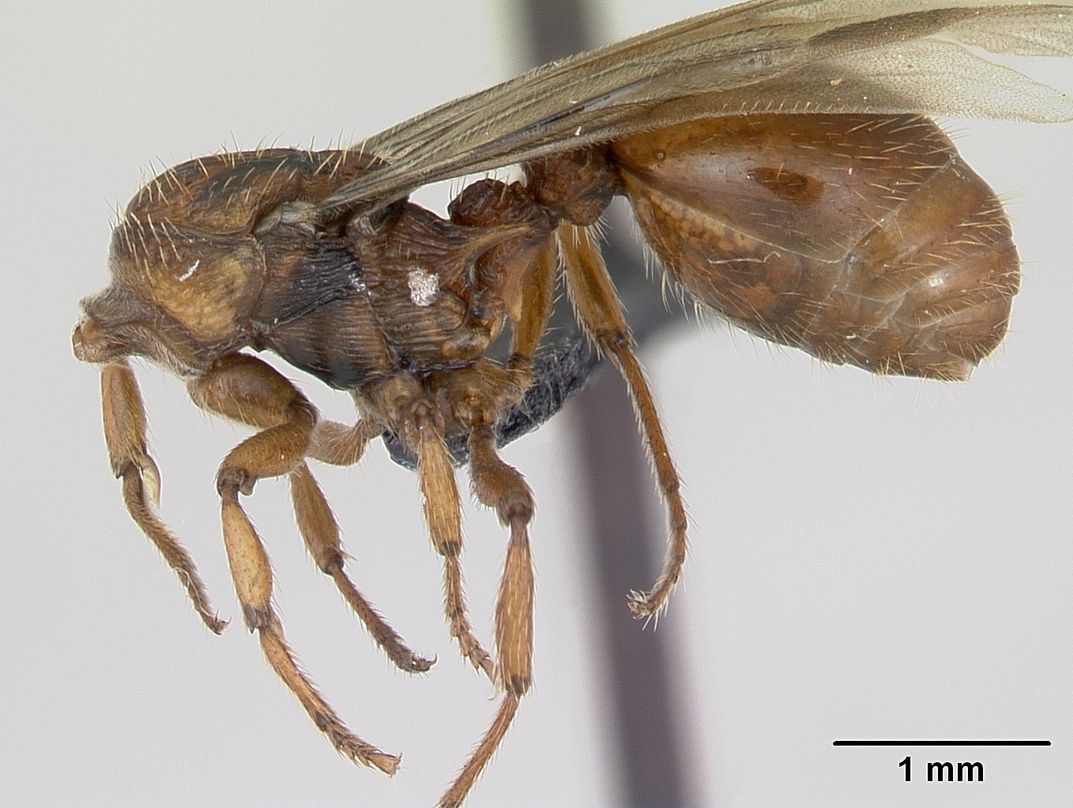
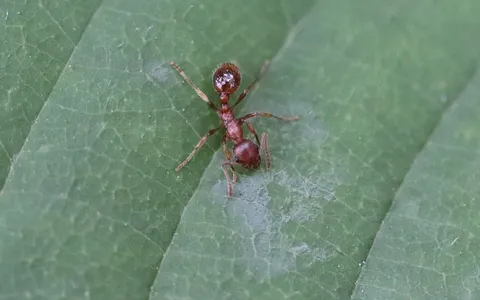
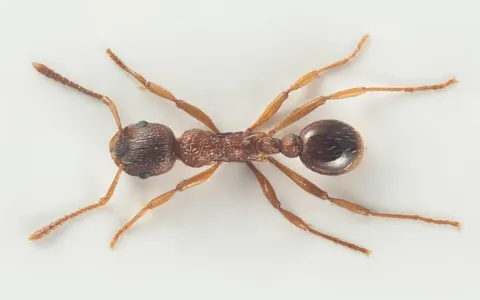
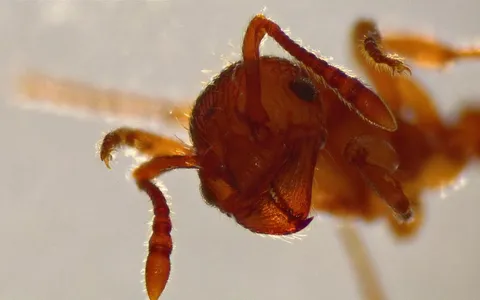
Myrmica sabuleti is a more specialist red ant than Myrmica rubra or Myrmica scabrinodis. In the wild it is associated with warm, sun-exposed habitats, including short grassland and sandy or calcareous sites. In captivity that makes it interesting, but it also means a keeper should be more deliberate about warmth, feeding, and avoiding constant disturbance.
Keeping notes
Founding is semi-claustral. Offer a small sugar drop and a tiny insect portion every few days, then remove anything uneaten. The queen needs access to food, but she does not need a messy outworld.
Once workers arrive, provide a warm side and a cooler side, with moderate humidity rather than a constantly wet nest. Colonies stay smaller and more measured than large Lasius, so they suit a keeper who enjoys close observation over rapid growth.
Watch for
- Better for a keeper with at least one successful founding attempt behind them.
- Mild sting and fast movement when disturbed.
- Warmth helps, but unregulated heat is still dangerous; use a thermostat.
Keeping native and already-established UK species is legal and popular. Never release captive ants, and avoid non-native species, which can be invasive and are restricted.
Rules vary locally and change — always confirm with your national authority before buying. Set your region in the top bar.
Last updated 5 August 2026