 Ant Habitats
Myrmica ruginodis
Common Red Ant
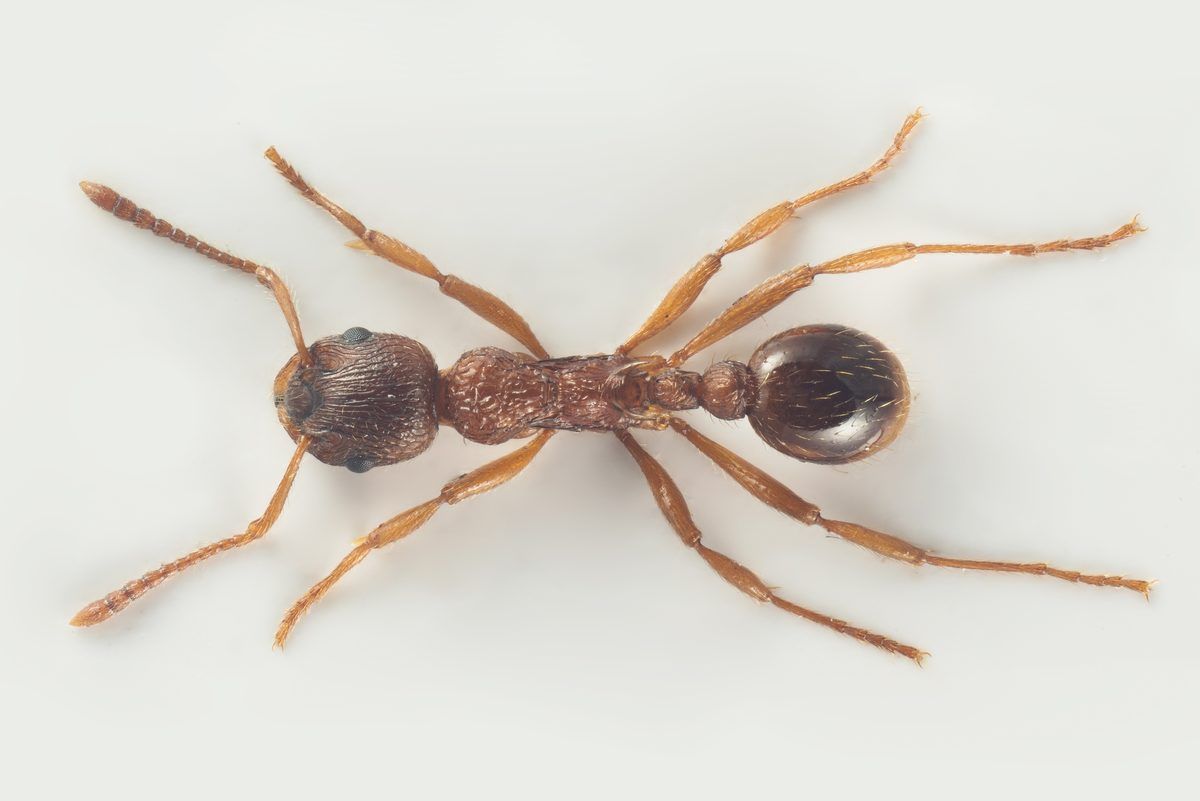
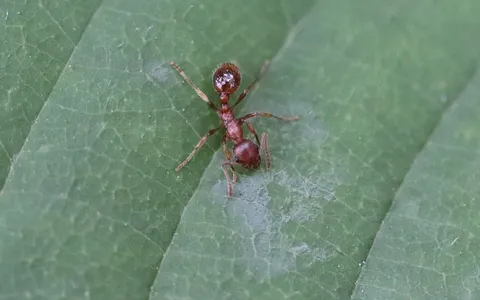
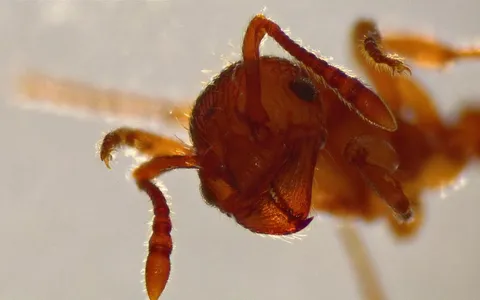
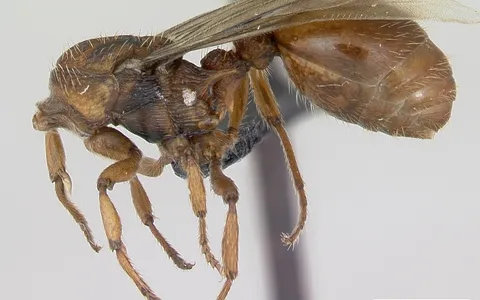
Myrmica ruginodis is, alongside Myrmica rubra, one of the two red ants a British keeper is most likely to meet. It favours cooler, damper places — woodland edges, grassland, and gardens across the whole of the UK, further north and higher than most ants. For a beginner ready to move beyond Lasius, it is forgiving and endlessly active to watch.
Why it suits a confident beginner
- Widely available and hardy — tolerant of a broad range of temperatures and happy at room temperature.
- Fast, visible foraging — small, busy workers that explore the outworld readily.
- A gentle introduction to stinging ants — they can sting, but it is mild.
Keeping notes
Unlike fully claustral Lasius, Myrmica queens found semi-claustrally: many will raise their first workers alone, but a founding queen often does better if you offer a tiny amount of sugar and a small insect during founding. Watch her behaviour — if she is restless and searching, a small feed helps; if she is settled on her eggs, leave her be.
Keep the test tube reservoir topped up, as Myrmica like it a little more humid than Lasius. Growth is moderate, and mature colonies stay comfortably small — a few hundred to a couple of thousand workers — which makes them easy to house long term.
Hibernation is essential. As a native temperate species, M. ruginodis needs a cool winter rest of a few months at 5–15°C.
Telling it from Myrmica rubra
The two are very similar and often confused. M. ruginodis tends to favour cooler, shadier, damper habitats, while M. rubra is more of a warm-garden ant. For care purposes you can treat them almost identically.
Watch for
- Semi-claustral founding — offer modest food if the queen seems to need it.
- A mild sting — handle the outworld, not the ants.
Keeping native and already-established UK species is legal and popular. Never release captive ants, and avoid non-native species, which can be invasive and are restricted.
Rules vary locally and change — always confirm with your national authority before buying. Set your region in the top bar.
Last updated 5 August 2026