 Ant Habitats
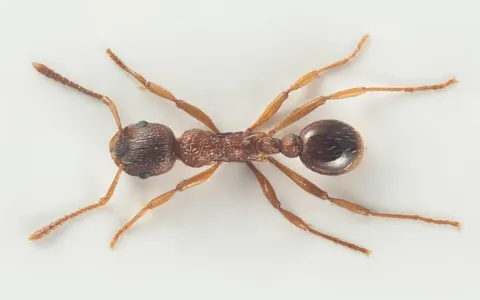
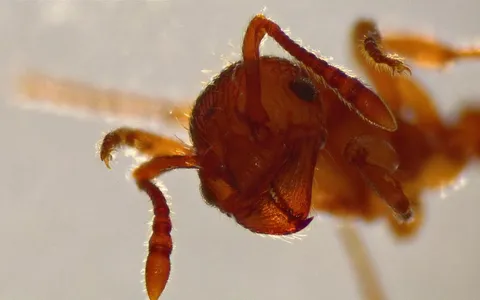
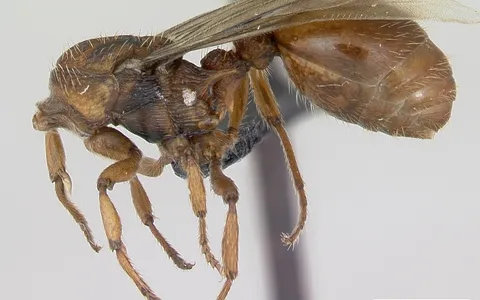
Myrmica rubra
Common Red Ant
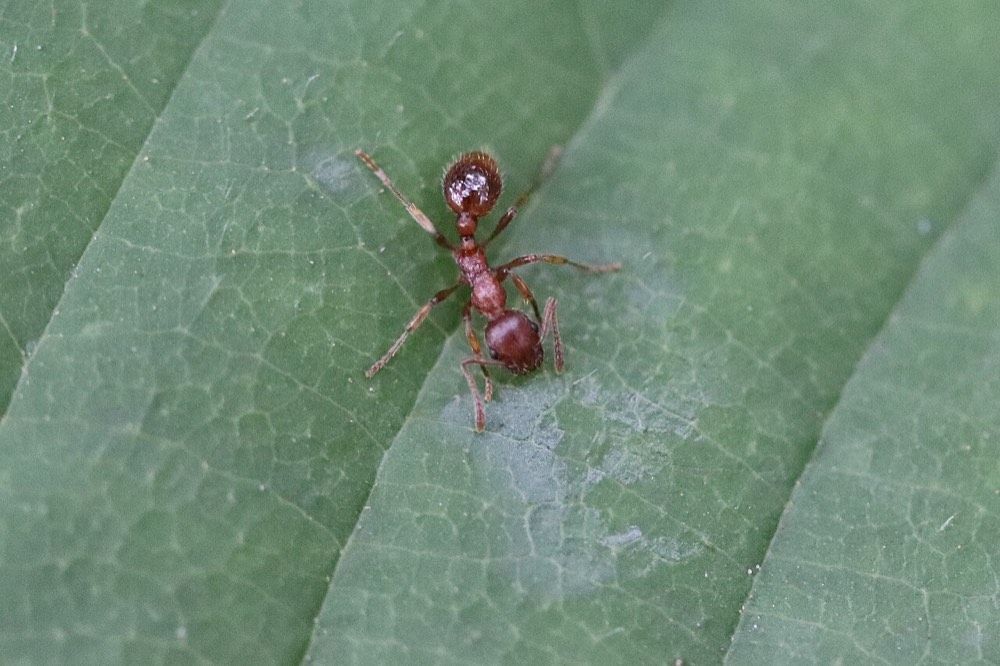
Myrmica rubra rewards keepers who like an active, visible colony. These small red ants forage eagerly and are quick to explore an outworld, making them more engaging to watch than some shyer species. They can sting, but it’s mild — comparable to a faint nettle prickle.
Keeping notes
Queens found semi-claustrally, so unlike Lasius they appreciate a little food during founding — offer a small drop of sugar water and a fragment of insect every few days until workers arrive. They’re a touch more humidity-loving than Lasius niger, so keep the test tube reservoir well topped up and provide a damp end in the nest.
Colonies are often polygyne (multiple queens), which can make for fast, resilient growth. Hibernate them over winter like other natives.
Watch for
- The mild sting — fine for most keepers, but worth knowing if children handle the setup.
- Higher humidity preference than Lasius; don’t let the nest dry out.
- Eager foragers, so keep escape barriers fresh.
Keeping native and already-established UK species is legal and popular. Never release captive ants, and avoid non-native species, which can be invasive and are restricted.
Rules vary locally and change — always confirm with your national authority before buying. Set your region in the top bar.
Last updated 5 August 2026