 Ant Habitats
Camponotus herculeanus
Hercules Carpenter Ant
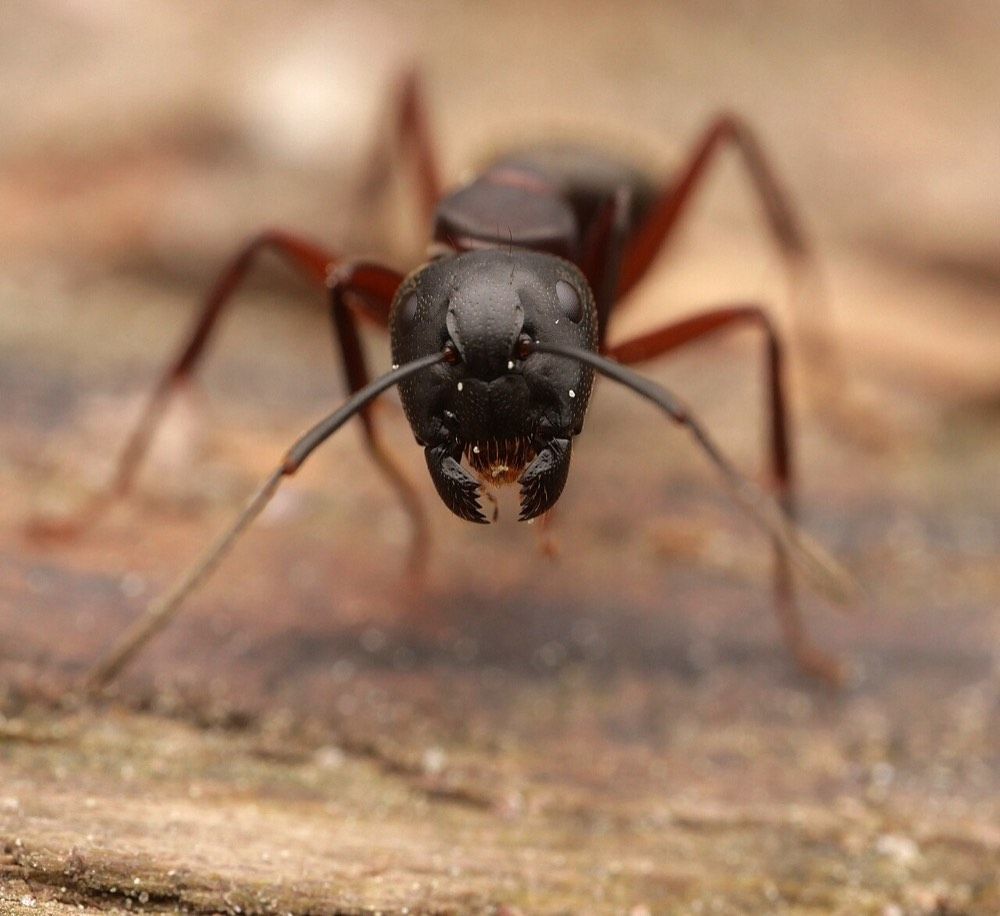
Camponotus herculeanus is a species keepers aspire to rather than start with. The queens are enormous by hobby standards, the workers include impressive large-headed majors, and a mature colony is genuinely spectacular. The catch is patience: founding is slow, growth is gradual, and the winter hibernation is long. Included here as a “graduate to this” goal, not a first colony.
Keeping notes
Founding is fully claustral, so the queen needs no food while raising her first workers — but she takes her time, and the first nanitics can be slow to appear. Growth remains unhurried for the first year or two, then a colony becomes impressive.
Their standout trait is a long hibernation — these are cold-climate ants that need a proper, extended winter rest (often September to March) at low temperatures. Getting that right is central to keeping them healthy over the years.
Why it’s not a beginner species
- Slow founding and growth test the patience of new keepers.
- Long, specific hibernation requirements are easy to get wrong without experience.
- Best kept once you’ve already succeeded with a hardy species like Lasius niger.
Watch for
- Large size means a bigger nest and outworld eventually — plan ahead for the space they’ll need.
- Reward for patience: majors and a striking mature colony.
Keeping native and already-established UK species is legal and popular. Never release captive ants, and avoid non-native species, which can be invasive and are restricted.
Rules vary locally and change — always confirm with your national authority before buying. Set your region in the top bar.
Last updated 5 August 2026